

01 / Packaged Pumping Station
Packaged pumping stations provide a compact, integrated solution for collecting and transferring wastewater, stormwater, and sewage in municipal, residential, commercial, and industrial applications.
Available in fiberglass-reinforced plastic (FRP), carbon steel, and stainless steel, each station can be customized to suit specific project requirements. Options include station dimensions, pump capacity, piping configurations, and control systems. The prefabricated design simplifies on-site installation and supports rapid deployment.
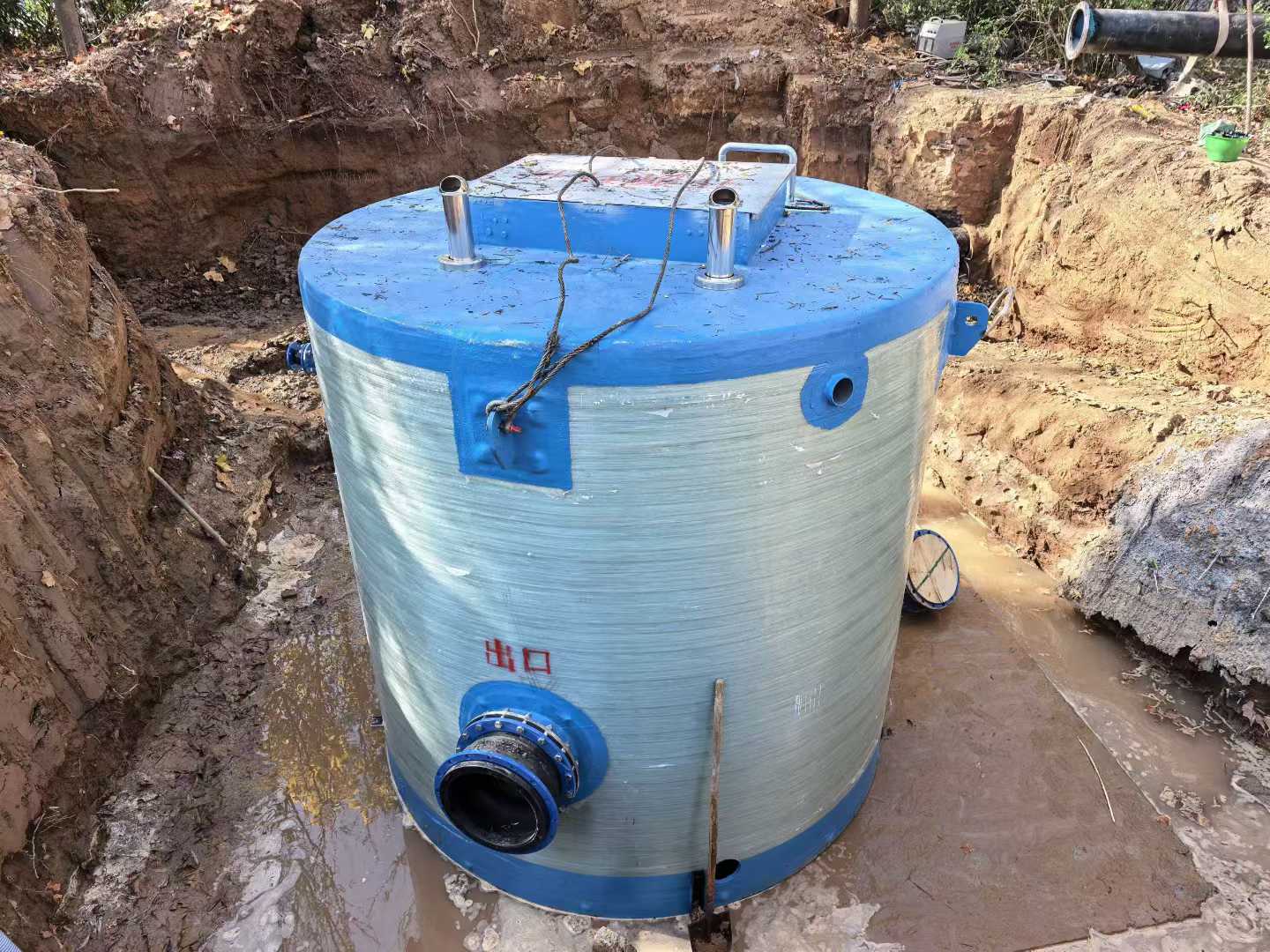
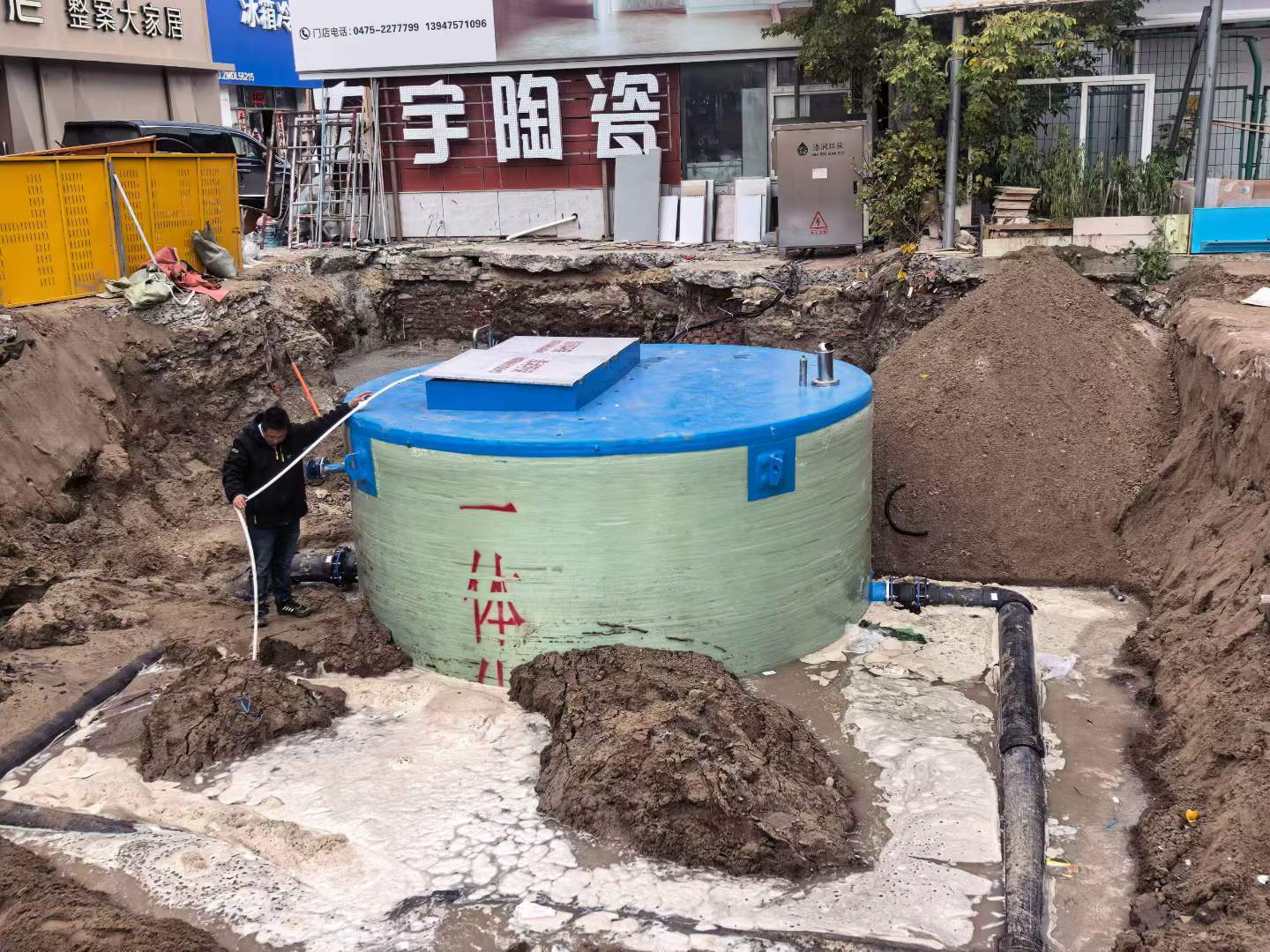
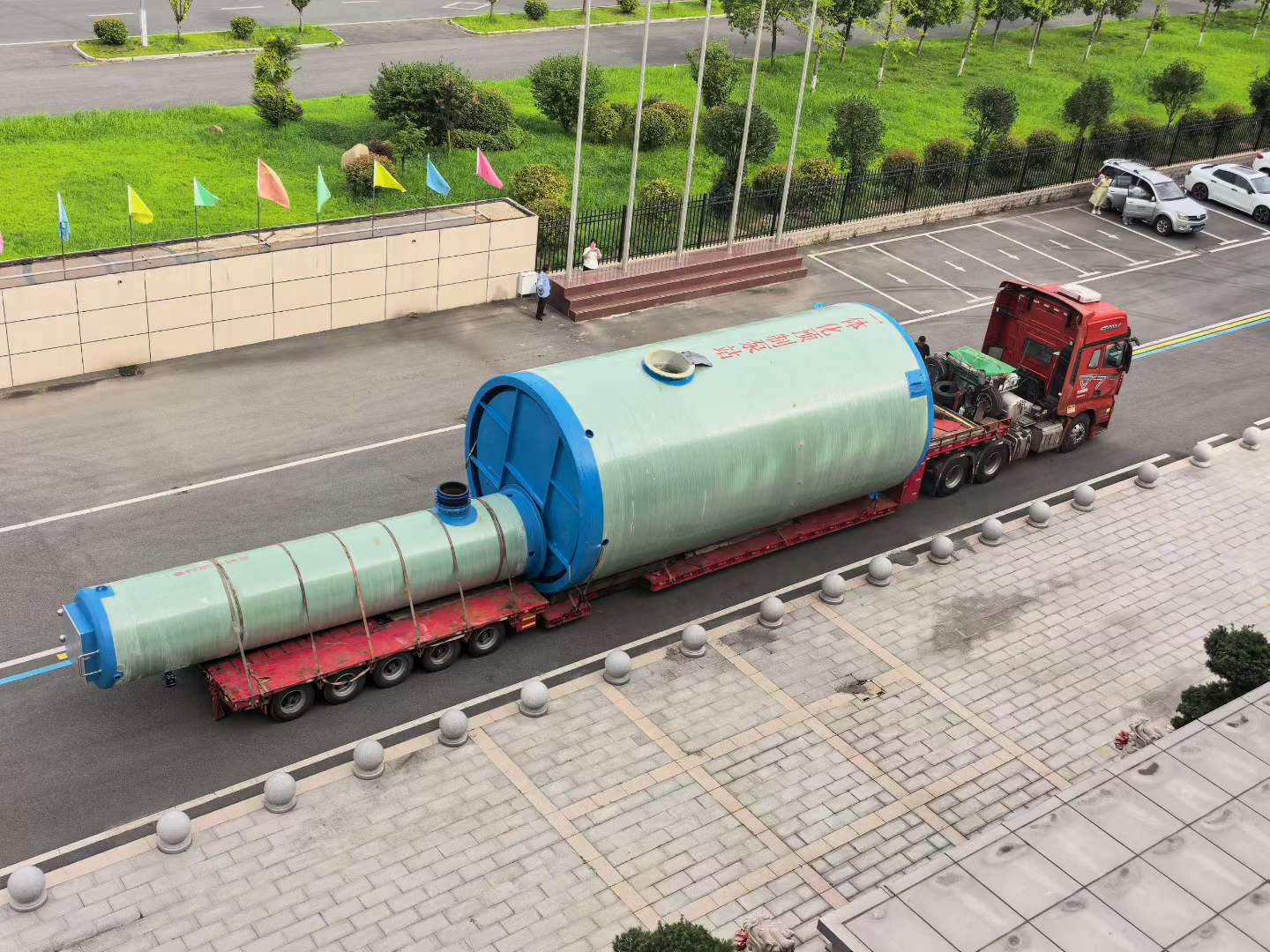
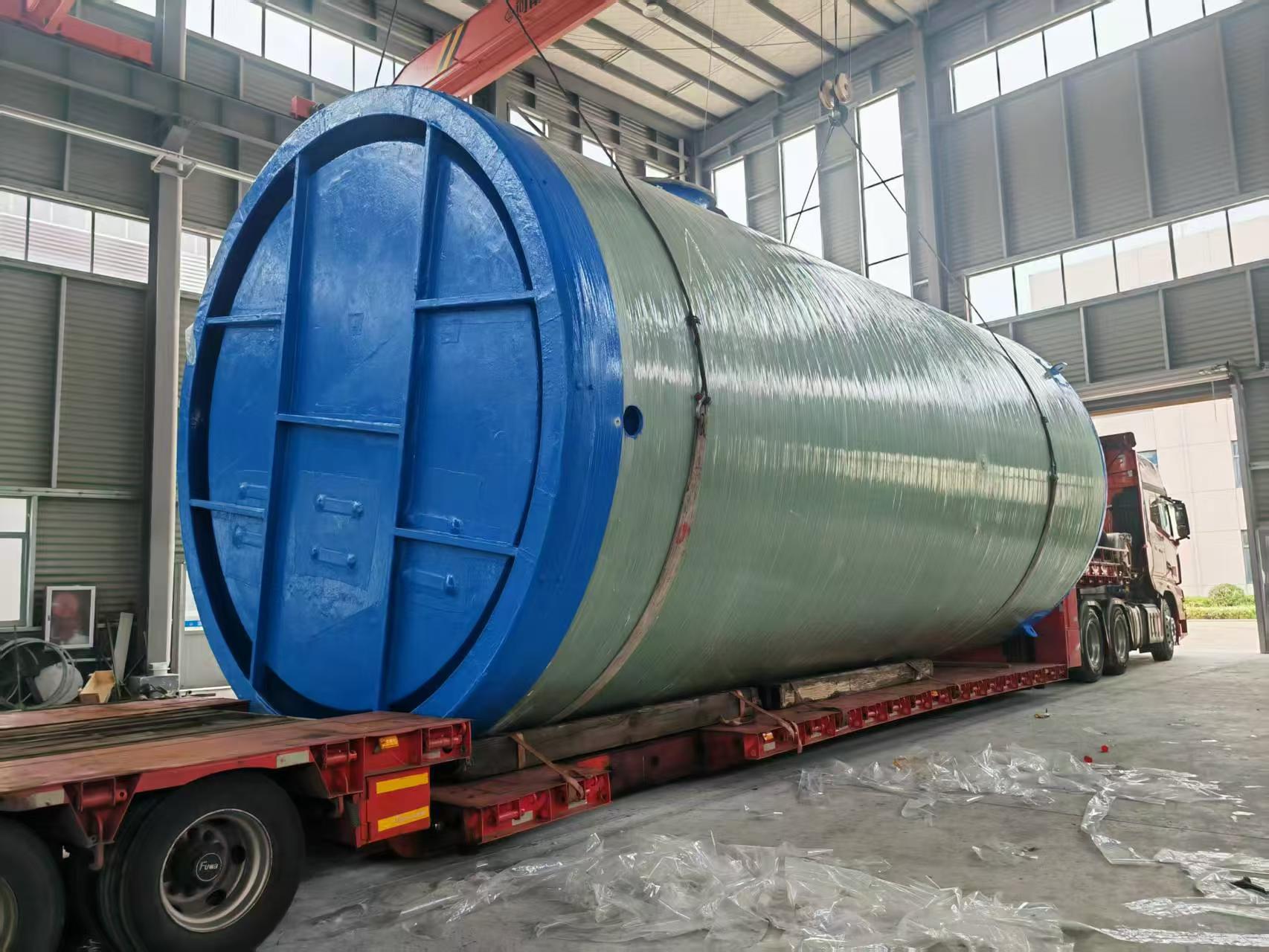
The packaged pumping station integrates a collection chamber, submersible pumps, inlet and outlet piping, guide rails, valves, level sensors, and an electrical control panel into a compact unit. The chamber is available in FRP, carbon steel, or stainless steel. Access covers, ventilation, and maintenance facilities can be configured to suit project requirements.
Wastewater or stormwater enters the chamber through the inlet pipe. Level sensors signal the control panel to start the pumps when the liquid reaches a preset level and stop them when it falls to the preset stop level. For multi-pump stations, pumps can alternate to balance operating hours. Additional pumps, alarms, and remote monitoring are available as required.
02 / Smart Diversion Well
Smart diversion wells provide an integrated solution for managing wastewater and stormwater flows in municipal drainage networks. By directing incoming flows to designated pipelines, they help separate dry-weather sewage and polluted initial runoff from subsequent stormwater, supporting wastewater collection and coordinated drainage management.
Each unit can be customized to suit project requirements, with options for chamber dimensions, construction materials, inlet and outlet arrangements, gate configurations, sensors, and control systems.
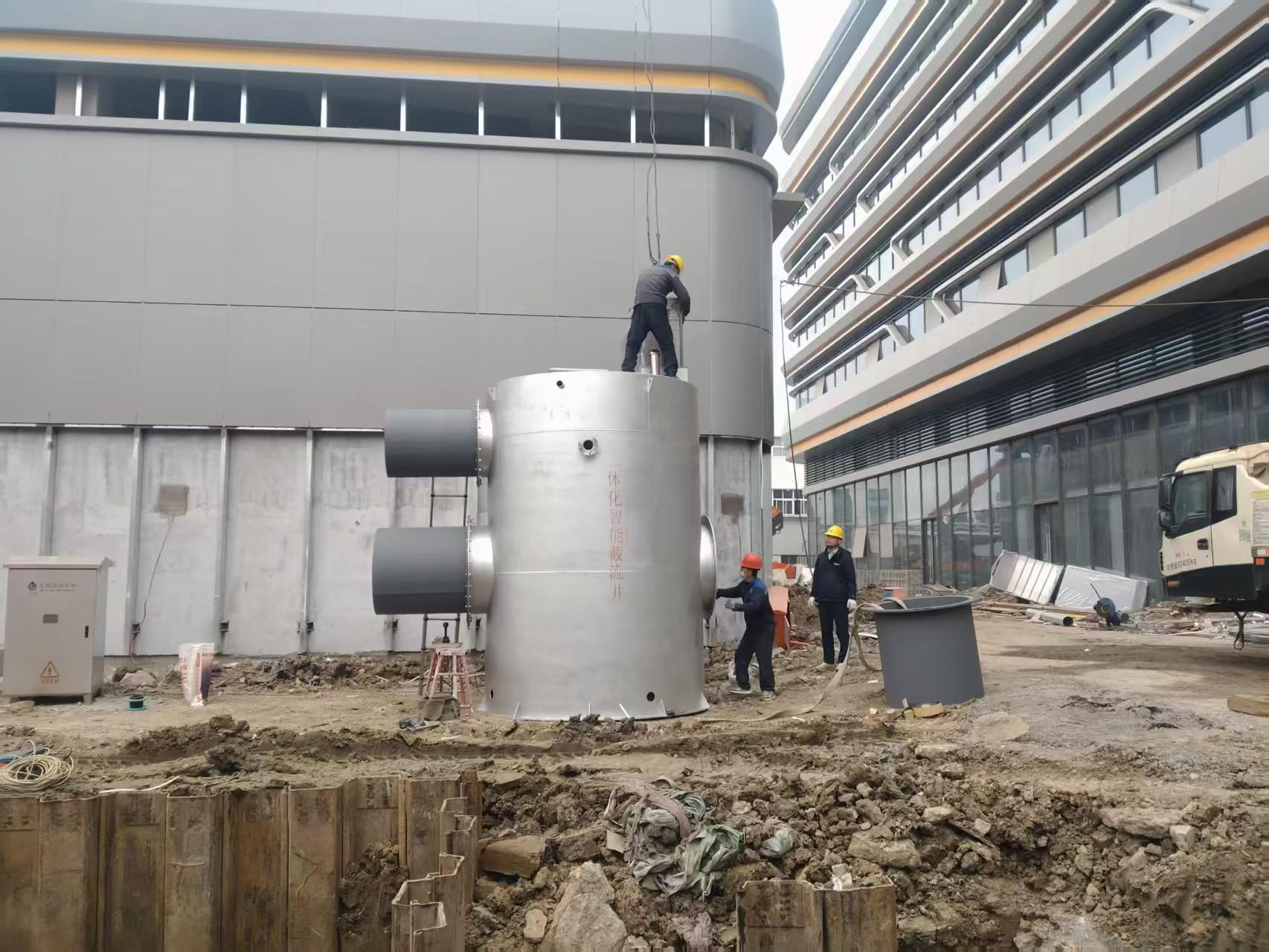
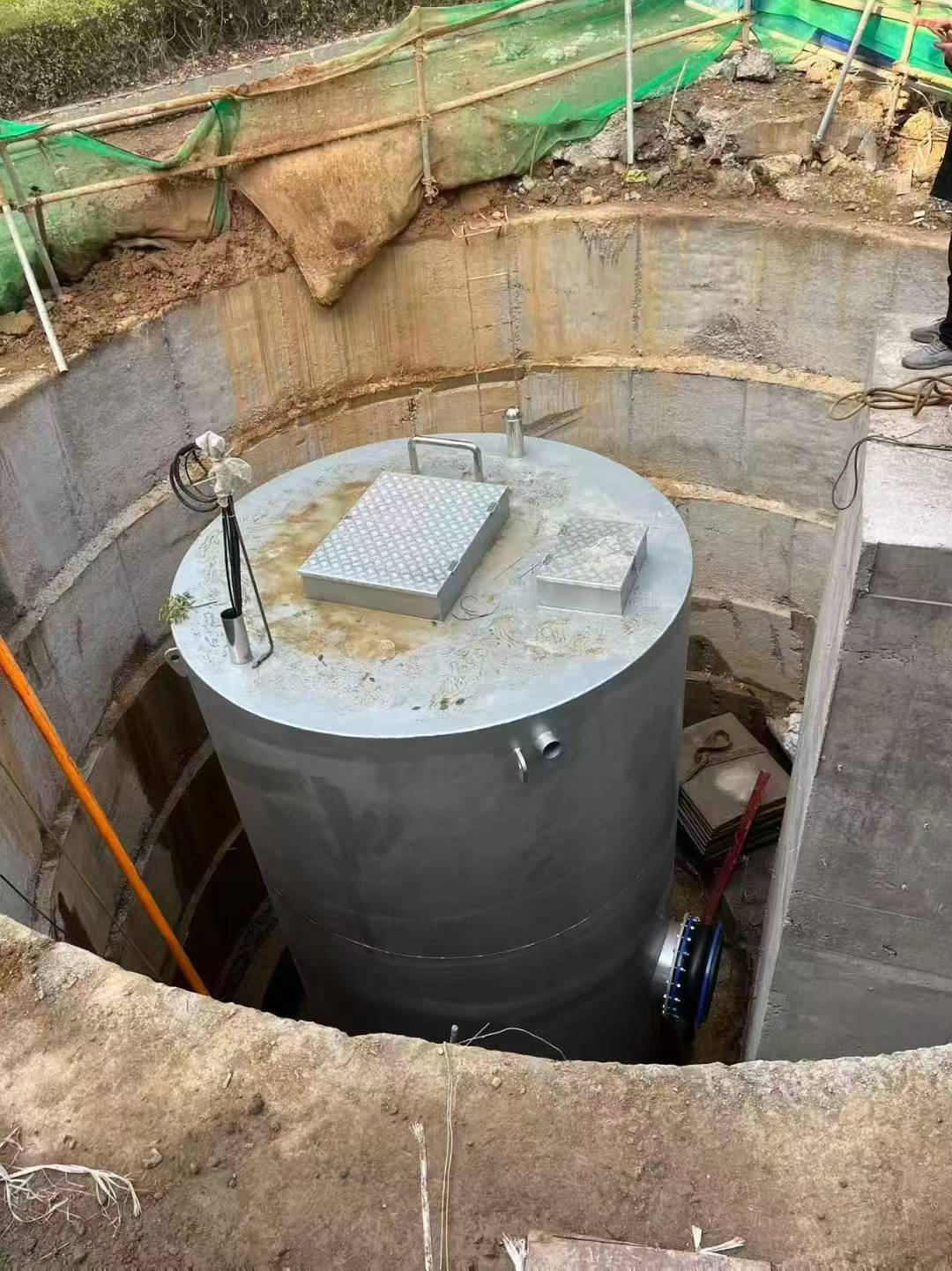
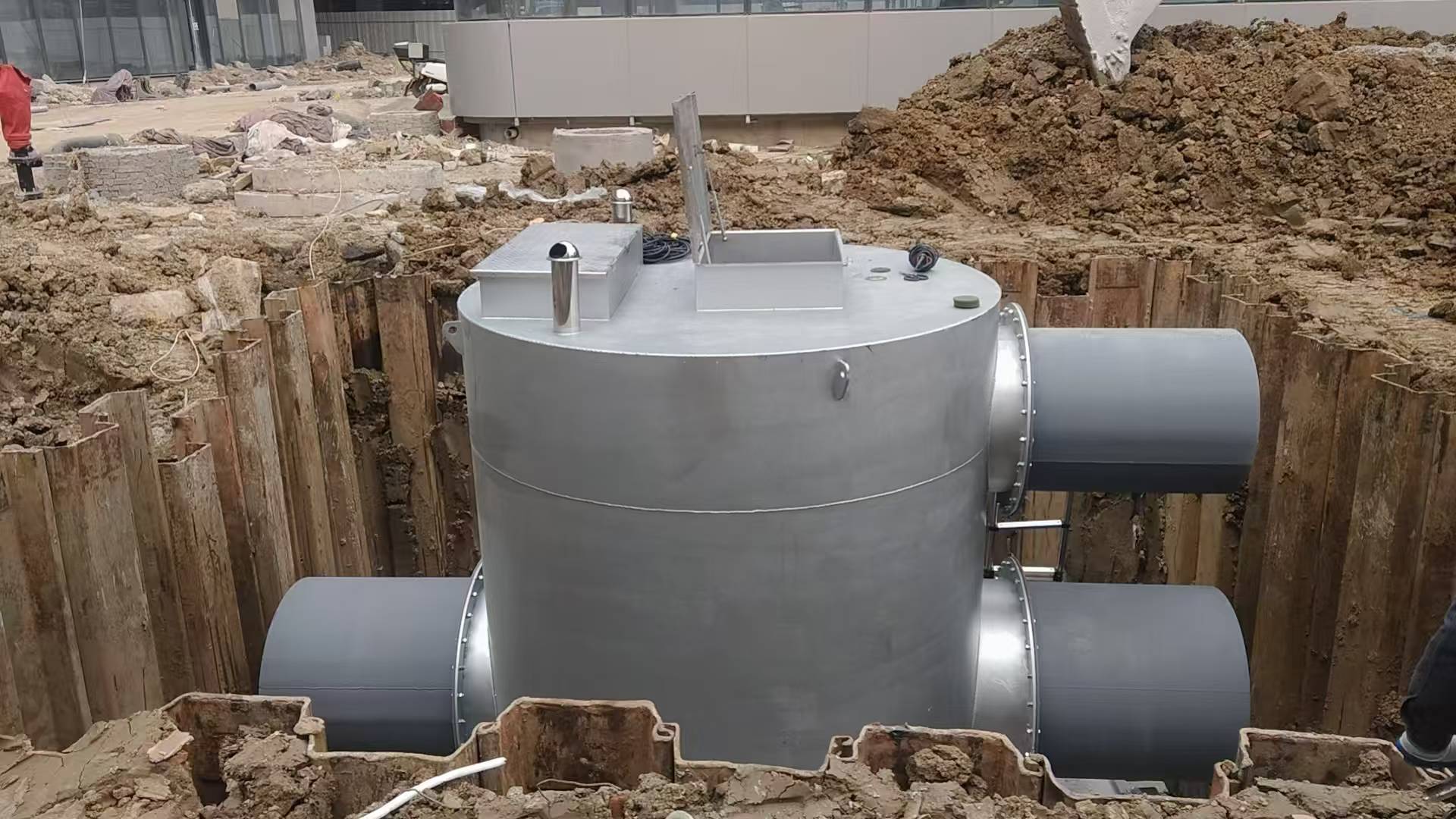
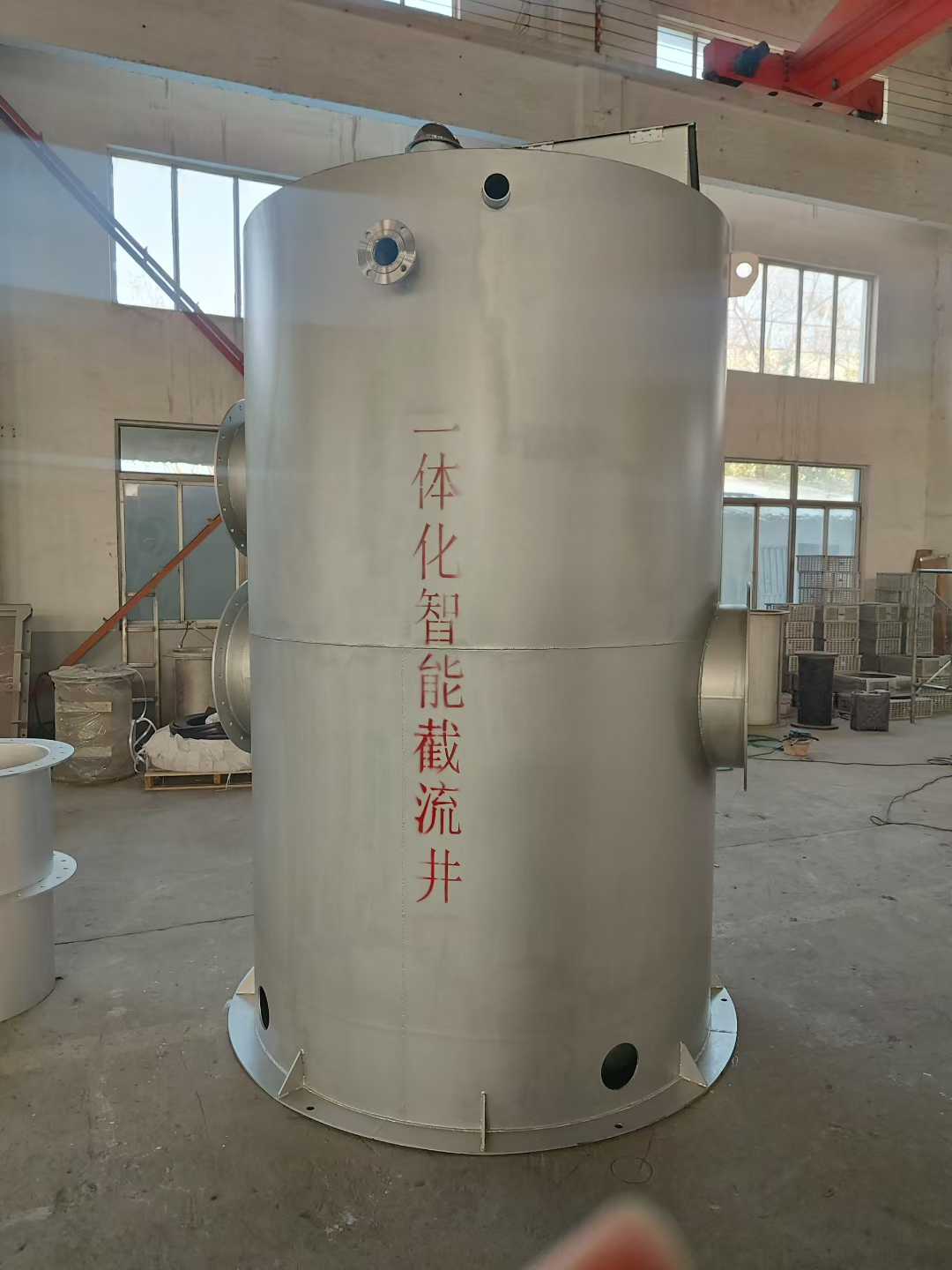
The smart diversion well typically consists of a chamber, inlet and outlet connections, actuated gates or valves, level sensors, and an electrical control panel. Depending on the project, additional equipment may include rainfall sensors, flow meters, water quality sensors, and remote communication modules.
The chamber layout and flow-control equipment are configured to match the drainage network, site conditions, and required diversion strategy.
Incoming water enters the chamber and is routed to the appropriate outlet by automatic gates or valves, based on sensor readings and preset control rules. In typical operation, dry-weather sewage flows to the wastewater network. During rainfall, polluted initial runoff can be diverted for treatment, while later stormwater may be sent to the stormwater network when conditions allow. Water-level, rainfall, flow, or water-quality sensors can guide diversion. Remote monitoring and manual override are available.